Barriers to Philanthropic Equity Part 3: Psychological & Behavioral Roadblocks
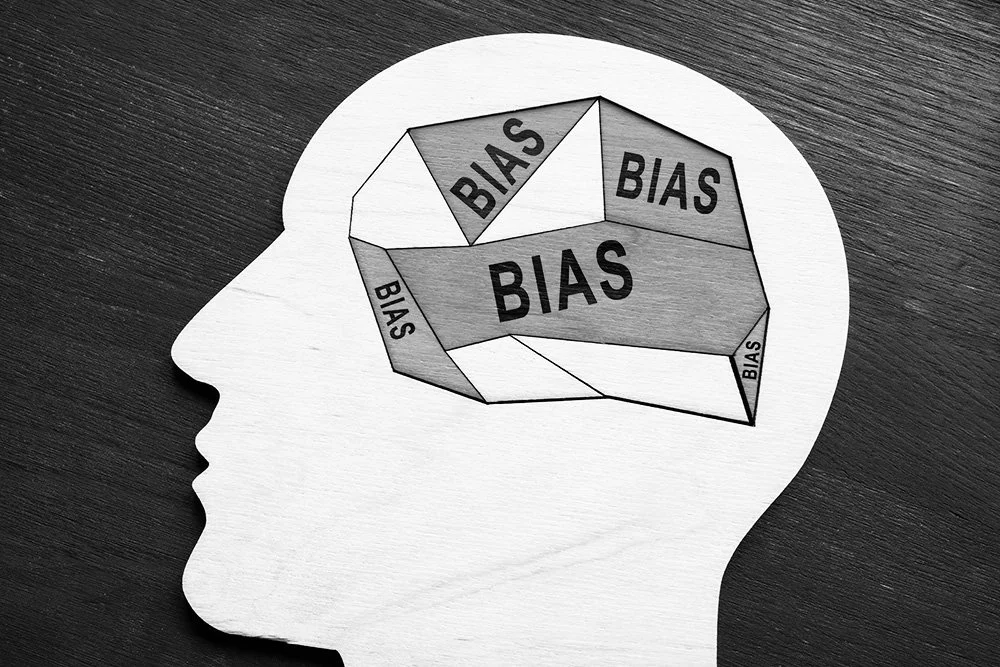
In order to think about fundraising differently, we must first unthink what we know.
By AJ Loper
This journey through the barriers to equity has served two purposes: 1) to bring to light those things which we are so willing to overlook because they are uncomfortable; and 2) to determine the best path through the barriers that threaten, daily, to upend the progress that has been made.
In the first part, we saw how accessibility issues and even well-intentioned systems can lead to poor execution. In the second, cultural and systemic barriers were brought to the forefront. In our final piece on philanthropic equity barriers, we’re going to take a look at some biases that manifest in harmful ways in the nonprofit sector, specifically in fundraising.
Same Ol’, Same Ol’: The Status Quo Bias
Henry goes to the same diner every Tuesday for the lunch special: meatloaf and mashed potatoes. Like clockwork, he sits at the same booth, facing the door, and orders iced tea and water. Henry is routine-oriented – predictable, some would say. And so, never strays from his Tuesday lunch plan and never realizes there is an even better lunch special right next door. His emotional and cognitive preference is to keep things as they are, resisting change even when better alternatives exist.
This happens in fundraising quite often. People hedge their donor dollars on the safe bet of the national organization without thinking through the implications of foregoing the work of a local nonprofit. No, philanthropy is not meatloaf. But the bias is ingrained in us. Familiarity often trumps outcomes.
“We generally are attracted to what is known, comfortable, and safe—and this is true when it comes to philanthropy, as well,” according to the National Center for Family Philanthropy. “Research finds that people would rather donate to less risky options—even when they are less effective. The researchers theorize that this is probably because people want to be certain that their money will not be wasted.”
Since most of these “less risky” organizations are those that already have the most dollars, the perpetual cycle continues. Grassroots funding falls to the wayside, and fundraisers in these spaces will have to work harder. Additionally, emerging needs may be ignored because they are “too new” to garner support. This bias reinforces the existing power structure, resulting in funding disparities where, for example, Black-led organizations receive significantly less unrestricted assets than white-led counterparts.
Judge & Jury: The Attribution Bias
Martha has been a strict vegan for three years. She views her diet as a core pillar of her identity and moral compass. At a community potluck, she watches her neighbor, Dave, fill his plate with beef sliders and potato salad made with eggs. As Martha watches Dave, she thinks: "Dave is so selfish and indifferent. He clearly doesn't care about animal suffering or the planet. He’s just another person who chooses convenience over what’s right."
The attribution bias rears its head when we misinterpret the causes of success or failure in others, often attributing success to external factors (like luck) and blaming failure on internal factors (like lack of skill or capacity).
Martha is attributing Dave’s food choices to a lack of ethics or empathy (Internal traits). In reality, Dave works two jobs and buys what is affordable and calorie-dense; he hasn't had the luxury of time to research or the budget to shop at the specialty markets Martha frequents.
Systemically marginalized nonprofits and small organizations frequently face this bias, especially during the donor decision-making process. Why didn’t they win that grant for their programs or meet their capital campaign goals? Attribution bias says they weren’t ready or didn’t complete the application process effectively. And when they do win that funding? It’s brushed aside as a lucky break or they “knew” someone.
In the how-to guide for Uncovering Unconscious Bias in Philanthropy: “You are more likely to attribute your own success to hard work and skill, while attributing others’ success to luck or unfair advantage.”
How does it affect equity? It can lead to control and micro-management of historically excluded communities. Donors and grantmakers may ignore or misinterpret the root causes of community challenges, leading to unfair funding decisions that disproportionately favor well-connected or familiar organizations over those addressing systemic issues.
The Inner Circle: The Affinity/Similarity Bias
Randy goes to the same hardware store to purchase supplies for his landscaping business. The owner is white, goes to Randy’s church, and their wives are best friends. But time and again, Randy has seen the owner be degrading to his employees and flippant to people of color who ask for assistance. It makes Randy feel awful for the people on the other side of the interaction. But Randy continues to overlook the negative behavior because changing stores now would be awkward and could lead to shaming from the store owner and even his wife.
Why does Randy keep going back even though he heartily rejects the store owner’s behavior? Because he is trapped in his own affinity bias – the unconscious tendency to favor people with backgrounds, experiences, or characteristics similar to our own.
When we are looking to give what defines our power and place in this world – our money – to an organization, we want to say: “I trust this leader and how they will use this money.” Maybe we were in the same fraternity or met at SoulCycle.
“For marketing and fundraising professionals, this nuanced understanding of bias is even more important because cognitive biases are so often used in marketing and fundraising efforts to nudge potential donors into giving,” writes Minal Bopaiah for Greater Public. “But without any examination of the unintended consequences of such efforts, our tactics to get more donors or more dollars can reinforce harmful stereotypes.”
This is perhaps the most significant barrier to philanthropic equity. Humans naturally gravitate toward people who look, speak, or act like them. And donors tend to do the same, leaving the scale tipped in favor of a colonialist structure. Because foundation boards and high-net-worth donors are statistically less diverse, they unconsciously favor organizations led by people from their own social, educational, or ethnic circles.
The bottom line is: We tend toward familiarity. And whether we like it or not, we will unconsciously choose the path of least difference.
We Shall Overcome…?
In the end, as long as there are biases (and there always will be), there will be barriers to overcome. When we are fundraising, it’s helpful to know how people are thinking, but we cannot assume what they are thinking. The best way to learn about biases is by becoming comfortable AND uncomfortable with our own.
Fundraising is a paradox: We want donors to see themselves or parts of themselves in the work, yet our work is set intentionally and deservedly toward specific groups. Fundraising language cannot continue on the path of the known; it must deliberately transform, which means the philanthropic infrastructure needs a revolution.
While we have not nearly skimmed the surface of what stands in the way of true change, we cannot continue to think it is not possible.
*No vegans were harmed in the writing of this blog post.